Lead Paint in Toys Explained: What the 90 Ppm Limit Covers
Lead paint in toys explained: the US caps paint at 90 ppm and accessible parts at 100 ppm. Here’s how to check a toy and what to do if it fails.

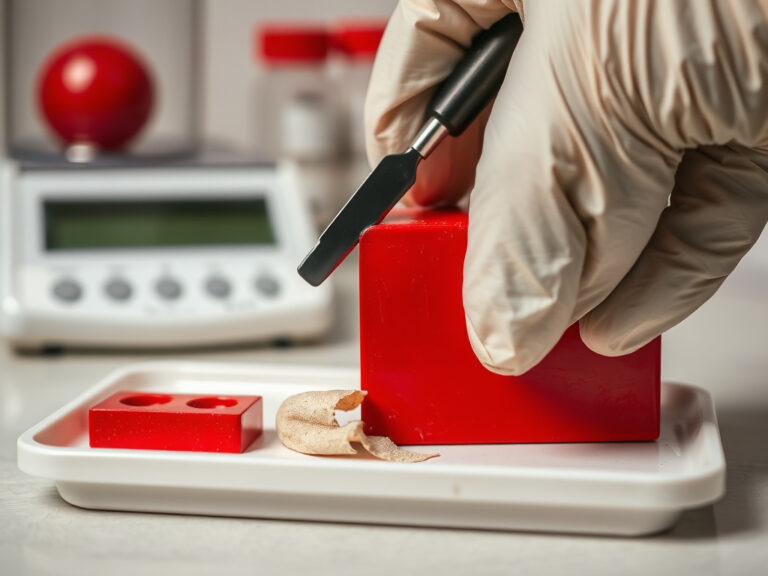
Lead paint in toys explained: the US caps paint at 90 ppm and accessible parts at 100 ppm. Here’s how to check a toy and what to do if it fails.
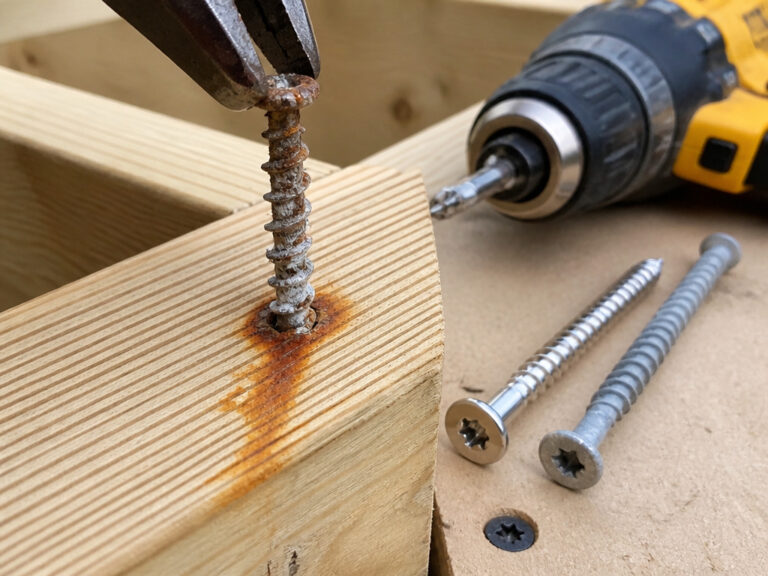
How to build a sandbox that drains, stays dry, and lasts: footprint sizing, base layers, sand depth math, and the cover that keeps cats out.
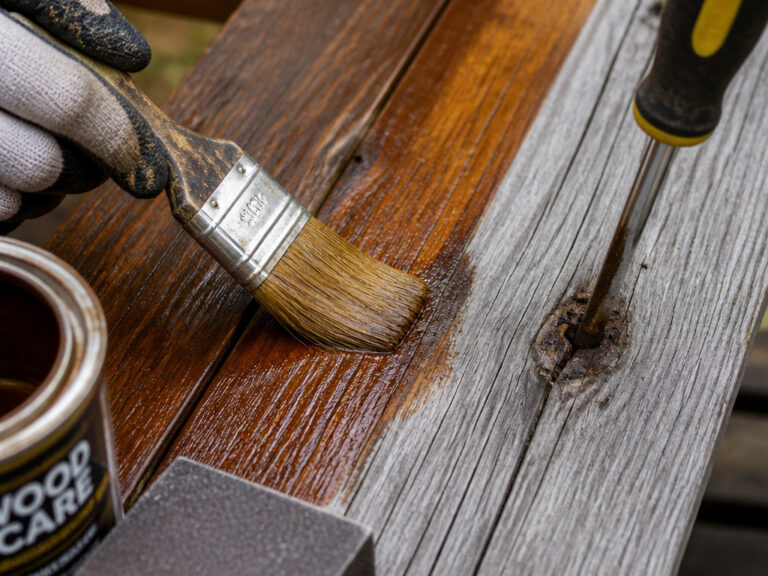
Wooden vs metal playset: compare real lifespan, heat, upkeep, and hardware so you pick the right one for your yard, your climate, and your kid.
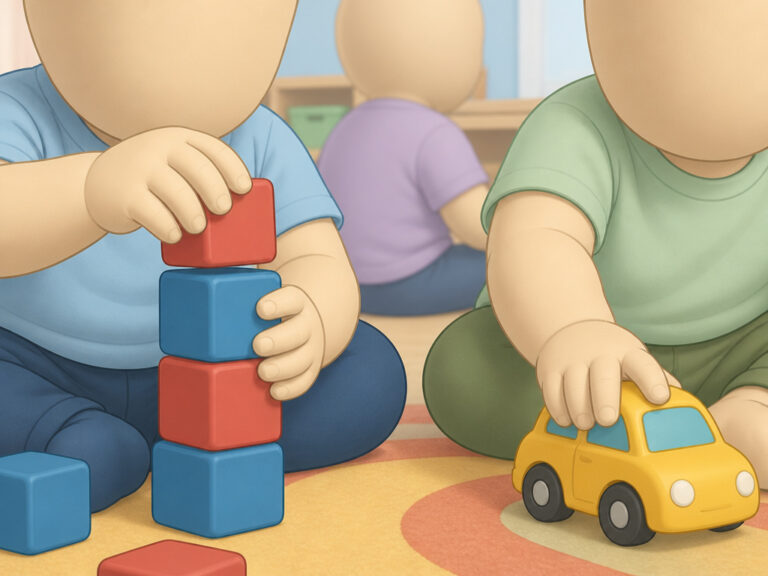
Parallel play is when toddlers play side by side without interacting. Here’s what it looks like, the real age range, and how to support it.
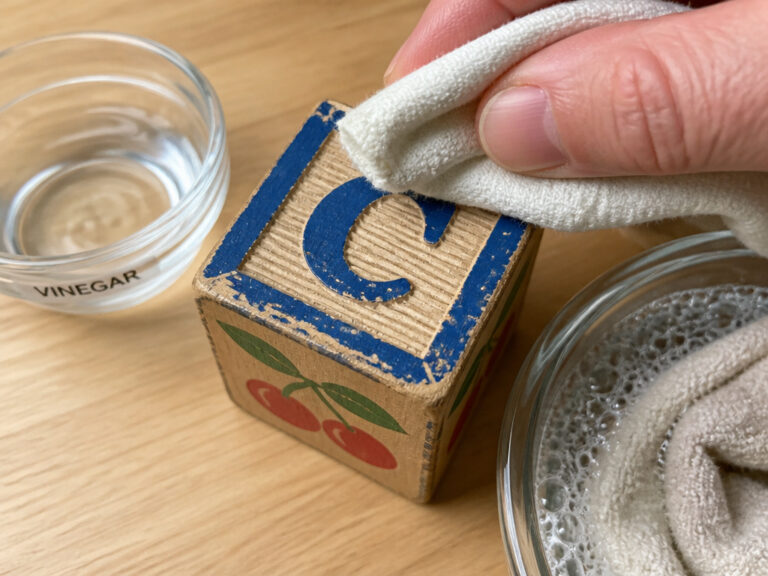
How to clean wooden toys without wrecking the finish: the dry-then-damp method, plus where Janod, HABA, and Eichhorn disagree on vinegar and bleach.
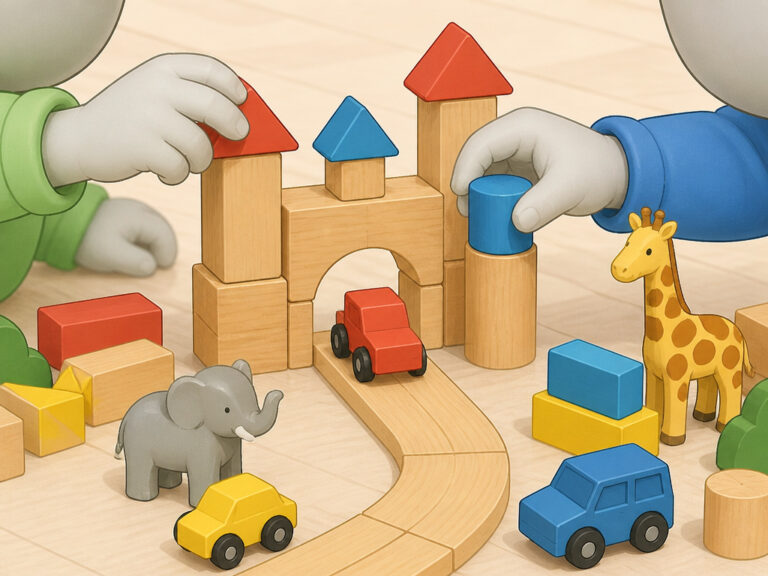
The four types of toys for preschoolers that held up in a ten-year study, plus the sizing numbers that keep small pieces out of the wrong hands.
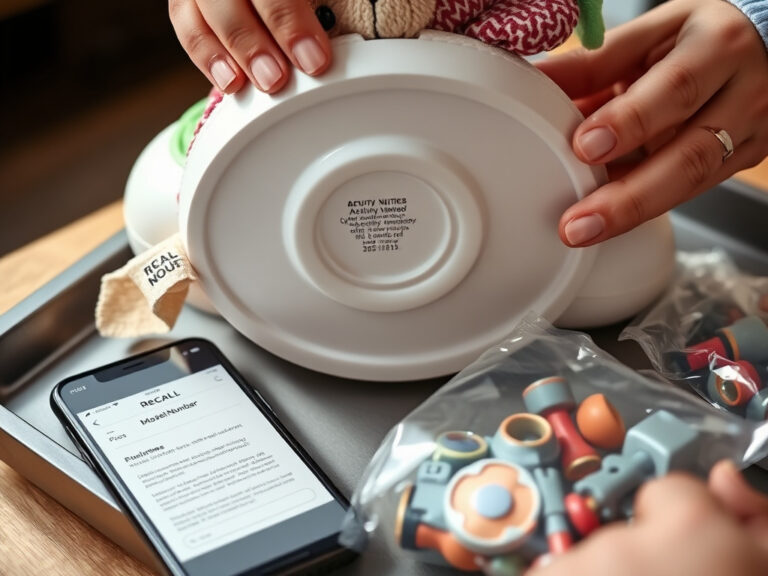
Learn how to check for toy recalls the way regulators and manufacturers organize them: find the model number, search the right list, and read the remedy.
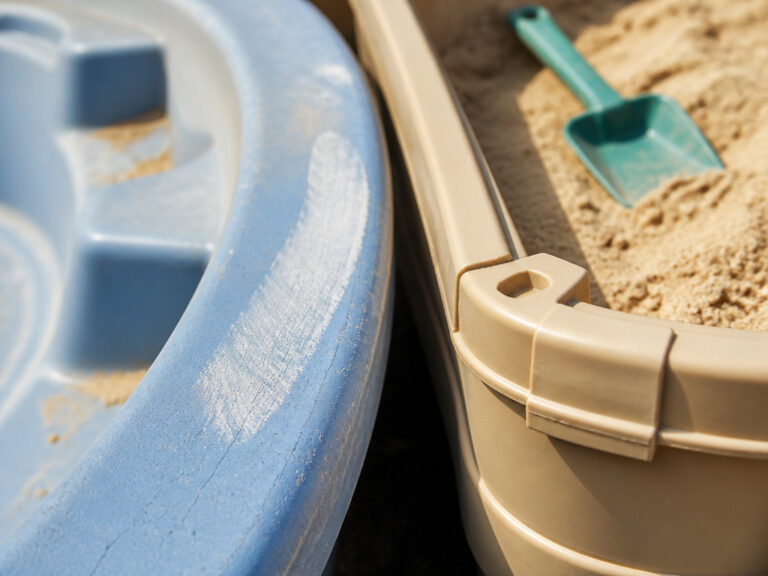
Compare the main types of sandboxes for backyard play, from wooden frames to plastic units and sand tables, plus cover and sand choices.
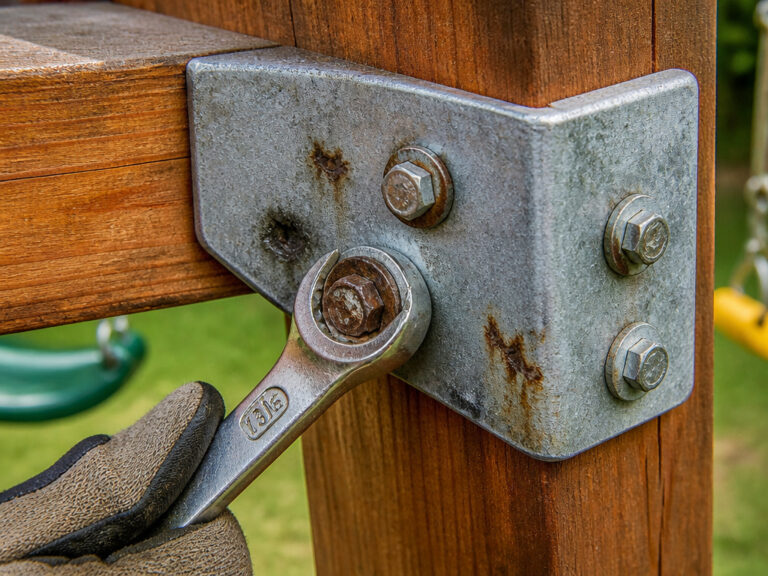
How to choose a backyard playset: match fall height, clearance, and surfacing depth first. CPSC 324 numbers plus the labels that mislead.
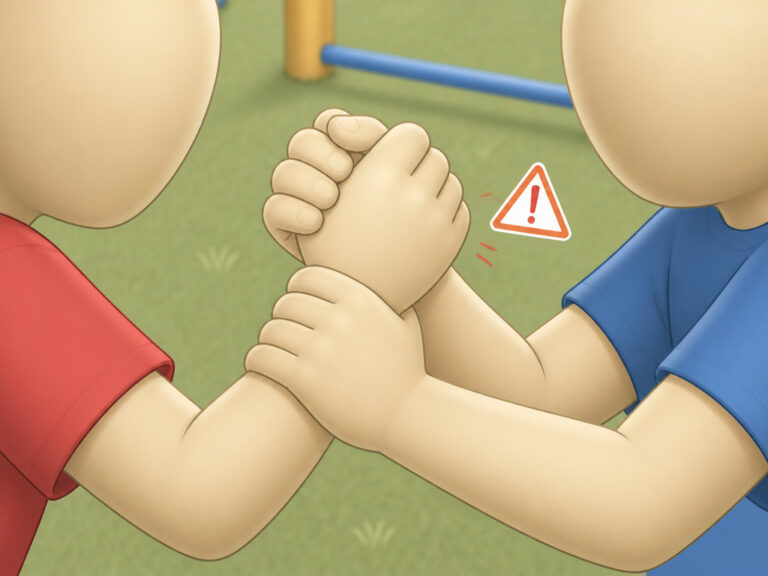
Risky play pros and cons, weighed honestly: the injury data, the evidence gaps, and how to build a play space where the risk is real.